
This website has a .gov link

The .gov means it’s official.

Louisiana government websites often end in .gov. Before sharing sensitive information, make sure you’re on a Louisiana government site.

HTTPS Connection

The site is secure.

The https:// ensures that you are connecting to the official website and that any information you provide is encrypted and transmitted securely.

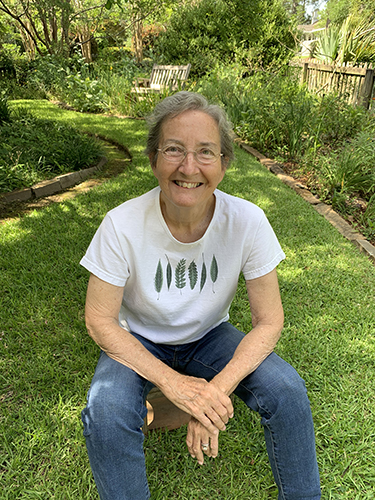
Elise Smith, professor emerita at Millsaps College, received her PhD from the University of North Carolina, Chapel Hill, in art history. In addition to a number of journal articles, she has written or co-authored five books. Two focus on individual artists, Lucas van Leyden and Evelyn De Morgan, and the others, co-authored with literary scholar Judith Page, explore the garden as a personal and professional space for female artists and writers since the 18th century.


Schedule

Will be posted when available.


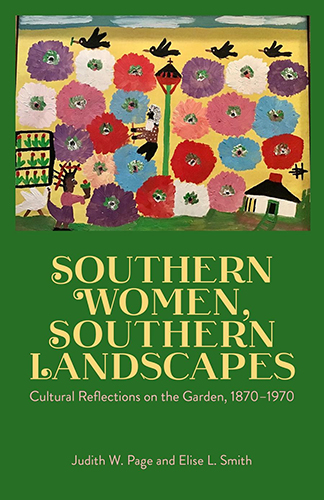
Southern Women, Southern Landscapes: Cultural Reflections on the Garden, 1870-1970

Southern Women, Southern Landscapes: Cultural Reflections on the Garden, 1870–1970 is an exploration of a number of Southern women—writers, artists, and gardeners, both Black and white—who looked to the land for inspiration and identity. Examining figures ranging from Reconstruction through the height of the civil rights era in Florida, Louisiana, North Carolina, Mississippi, and Virginia, Southern Women, Southern Landscapes focuses on a period that marks a profound change in women’s cultural and social roles. Page and Smith explore the women’s various attitudes toward the natural world as they responded to the disruptions of war and the restrictions of race and gender.

The book emphasizes the concept of a “storied landscape,” recognizing that landscapes are both natural and cultural phenomena that speak to humans who are open to their narratives. The women featured in 
Southern Women, Southern Landscapes were often concerned with place-making and the specificity of locale, including gardens, larger landscapes, and wild places, but they also believed in a shared responsibility to care for the earth more generally. Communities, partnerships, and friendships in various forms were all crucial to their creativity in the garden or in other endeavors related to the natural world. This book addresses these broad-ranging issues through extensive archival research to support a variety of genres and media—novels, poetry, essays, letters, and newspapers, as well as book illustrations, photographs, folk art, and more traditional paintings.