
This website has a .gov link

The .gov means it’s official.

Louisiana government websites often end in .gov. Before sharing sensitive information, make sure you’re on a Louisiana government site.

HTTPS Connection

The site is secure.

The https:// ensures that you are connecting to the official website and that any information you provide is encrypted and transmitted securely.

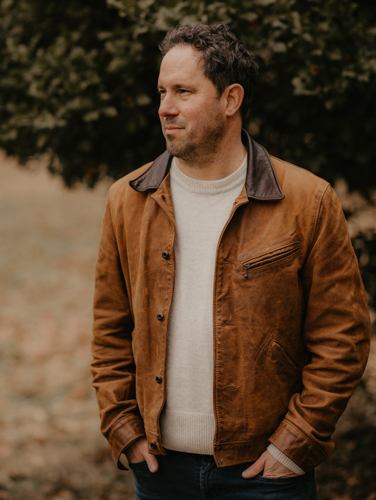
Matthew Davis is the author of A Biography of a Mountain: The Making and Meaning of Mount Rushmore, which is the 2026 One Book for South Dakota. He is also the author of When Things Get Dark: A Mongolian Winter’s Tale and the children’s book The Magic Horse Fiddle. His work has appeared in the New Yorker, the Atlantic, Slate, and the Los Angeles Review of Books, among other places.


Schedule

Will be posted when available.


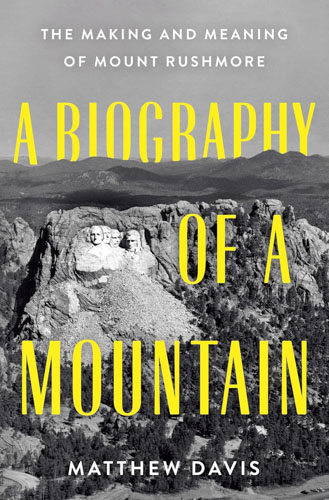
A Biography of a Mountain: The Making and Meaning of Mount Rushmore

A comprehensive narrative history of Mt. Rushmore, written in light of recent political controversies, and a timely retrospective for the monument's 100th anniversary in 2025

“Well, most people want to come to a national park and leave with that warm, fuzzy feeling with an ice cream cone. Rushmore can’t do that if you do it the right way. If you do it the right way people are going to be leaving pissed.”

Gerard Baker, the first Native American superintendent of Mt. Rushmore, shared those words with author Matthew Davis. From the tragic history of Wounded Knee and the horrors of Indian Boarding Schools, to the Land Back movement of today, Davis traces the Native American story of Mt. Rushmore alongside the narrative of the growing territory and state of South Dakota, and the economic and political forces that shaped the reasons for the Memorial's creation.

A Biography of A Mountain combines history with reportage, bringing the complicated and nuanced story of Mt. Rushmore to life, from the land’s origins as sacred tribal ground; to the expansion of the American West; to the larger-than-life personality of Gutzon Borglum, the artist who carved the presidential faces into the mountain; and up to the politicized present-day conflict over the site and its future. Exploring issues related to how we memorialize American history, Davis tells an imperative story for our time.